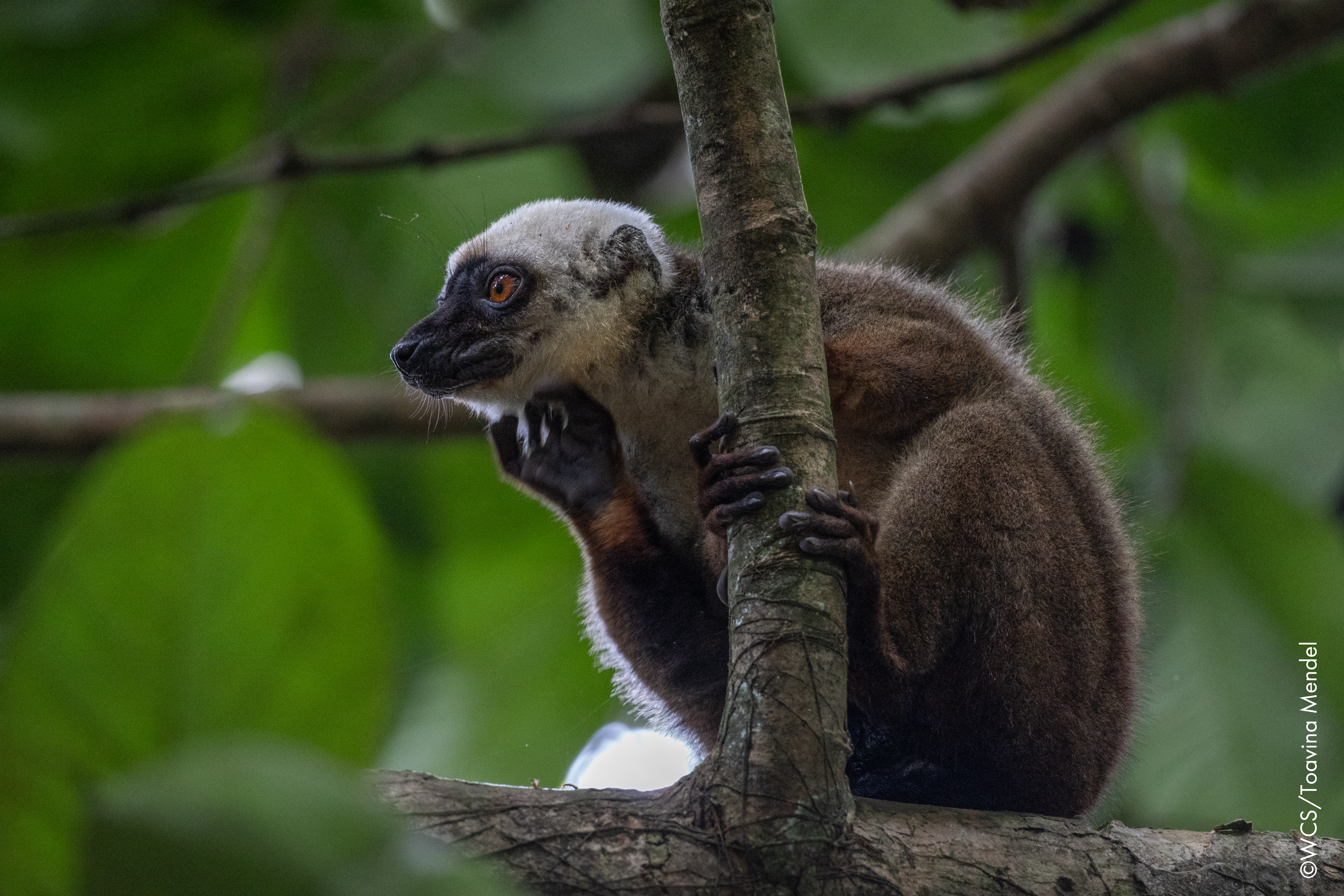
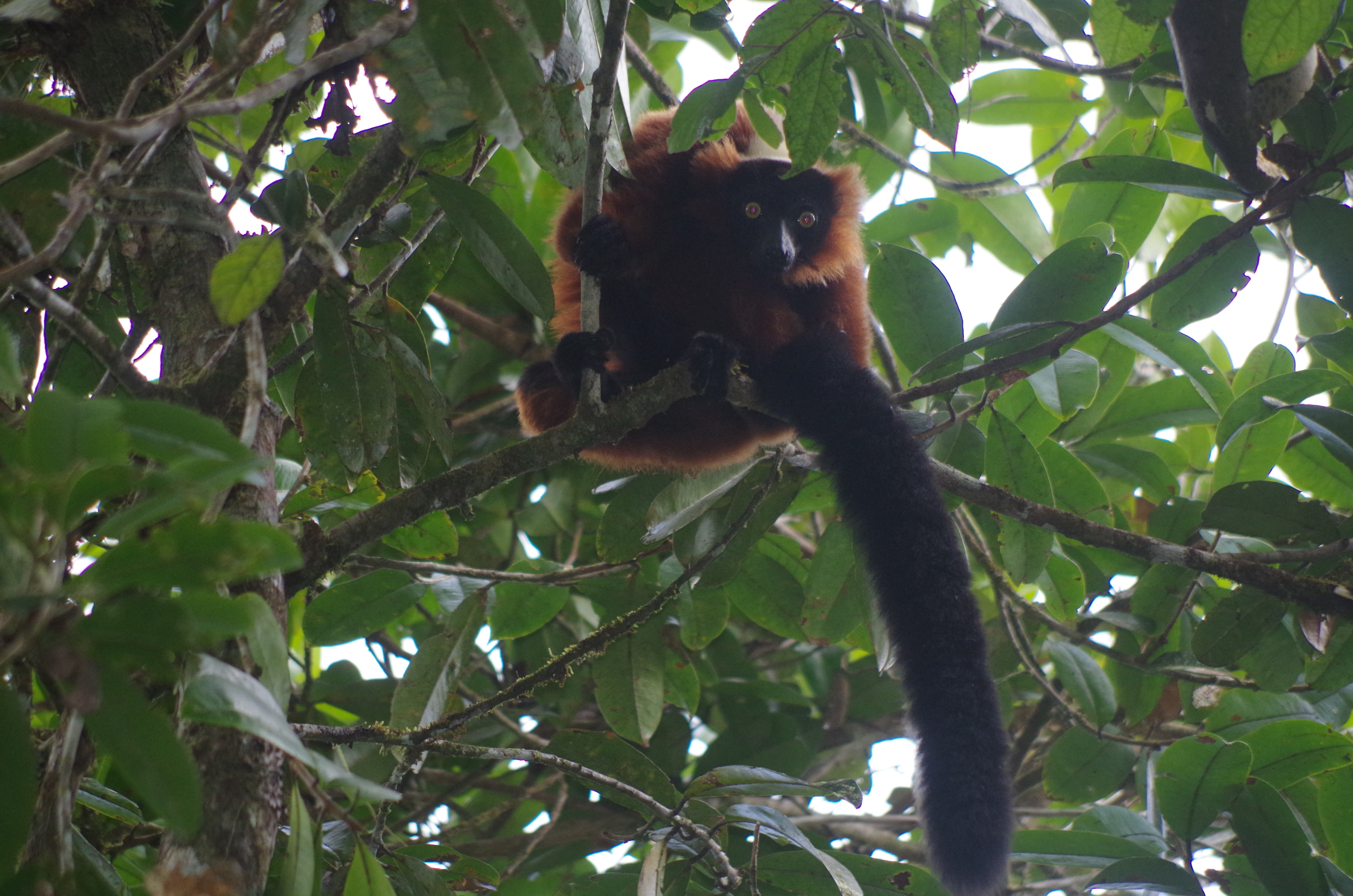
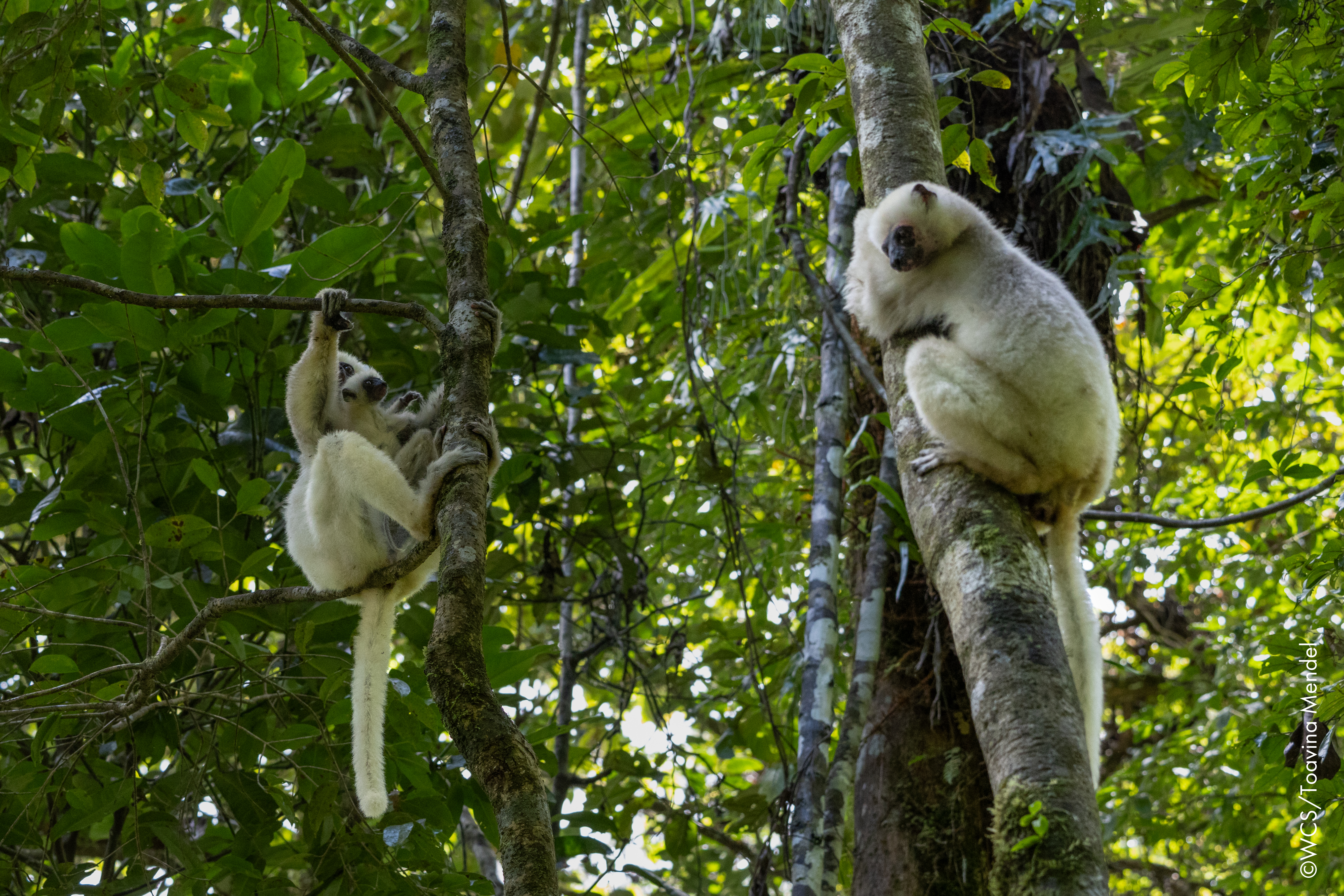
The Makira Natural Park in northeastern Madagascar is a global biodiversity treasure, forming a critical ecological link between the Masoala National Park, a UNESCO World Heritage Site, and Anjanaharibe Sud. The "Voices of the Forest" project, supported by IUCN, is dedicated to securing the future of four of Makira’s most emblematic and endangered species: the Silky Sifaka (Propithecus candidus), Indri (Indri indri), Red Ruffed Lemur (Varecia rubra), and the Black-and-white Ruffed Lemur (Varecia variegata subcincta). The Makira - Anjanaharibe Sud junction is the only place in the world where the Silky Sifaka, Indri, and Red Ruffed Lemur coexist.
🚨 Threats and the Need for Urgent Action
These four key species are classified as Critically Endangered (CR) or Endangered (EN) on the IUCN Red List, facing dynamic threats from complex human and environmental pressures.
- Slash-and-Burn Agriculture (Tavy): This traditional practice remains the primary driver of deforestation, clearing vital lemur habitat for short-term crops.
- Illegal Wood Harvesting: Uncontrolled cutting of trees for fuel, charcoal, and construction, reducing the structural integrity of the ecosystem.
- Data Point: Satellite monitoring data indicates that the project's northern corridor (where our activities are focused) has experienced an estimated annual deforestation rate of approximately 0.15% over the last five years, demanding immediate, community-led intervention.
- Poaching: Despite legal protection, lemurs are still hunted for bushmeat, posing a direct threat to small, isolated populations.
Threats are compounded by underlying issues: weak governance, limited access to stable markets and alternative livelihoods, corruption, poor soil conditions, and the increasing intensity and frequency of tropical cyclones (a major climate threat) that cause catastrophic forest damage.
🤝 Project Aims and Community-Centric Activities
Our project is a community-based conservation initiative scaling up a model that places local stewardship at the core of lemur protection. We are focusing our efforts on the northern corridor of Makira, working with local COBAs (Community-Based Organizations).
1. Enhancing Community Stewardship and Governance
- Participatory Monitoring: We are implementing a real-time threat monitoring and surveillance system managed by the COBAs. We are training individuals in each of the four COBAs in systematic threat monitoring techniques, providing them with essential equipment like smartphones for data collection.
- Patrols and Reporting: We are establishing a mechanism for regular enforcement to ensure community-led patrols are carried out monthly. These patrols are supported in real-time by the control room at the Makira Park HQ, significantly boosting enforcement effectiveness.
- Safeguards: A functioning Grievance Redress Mechanism (GRM) is operational to ensure environmental and social safeguards are consistently protected, fostering trust and transparency.
2. Sustainable Livelihood Incentives
- Ecotourism Development: We are working to attract more visitors to the existing Simpona Community-Managed Ecolodge in Andaparaty, thereby increasing community income and international interest. We will do this by rehabilitating trails for trekking, improving guest infrastructure, and training local guides from COBAs to deepen their skills in lemur tracking and conservation messaging.
- Sustainable Protein Alternative: To reduce the pressure of bushmeat hunting, we are providing technical support and supplies for the farming of Sakondry insects (a local, sustainable, high-protein alternative).
📈 Results Achieved So Far
Our initial fieldwork and preparation phases are delivering measurable progress, moving us from planning to tangible action:
- Community and Governance Building: A major highlight was our participation in National Lemur Day celebrations. Working closely with local authorities (including the leaders of COBAs and Fokontanys), we hosted a large awareness event. This celebration involved over 900 community members and served as a high-profile launch for the project's community monitoring phase, successfully reinforcing local ownership and governance over the protected areas.
- Field Monitoring: The team is actively hitting the field to implement a multi-pronged monitoring strategy that combines passive acoustic monitoring (PAM) with camera traps and line transects distance sampling to establish baseline population data and habitat use.
- Livelihood Diagnostic: A diagnostic is taking place to begin the process of Sakondry insect farming in new areas, establishing the parameters for sustainable rollout. Previous projects from 2022 to 2025 trained 516 people in Sakondry farming, including 484 direct beneficiaries. The enthusiasm of those participants has motivated us to expand this initiative into the IUCN project target area.
- Tourism Plan Finalized: With our finalized eco-tourism plan, we can start improving the tourist experience at Simpona Lodge to attract more visitors, directly linking income generation to lemur conservation.
- Operational Safeguards: The grievance redress mechanism is operational to ensure environmental and social safeguards are protected throughout the project’s duration.
🌍 Contributions to National and Global Goals
This project directly contributes to Madagascar's national policies and international commitments, demonstrating the powerful link between biodiversity, climate, and development.
🇲🇬 National Alignment
- National Biodiversity Strategy and Action Plan: By involving local communities in COBA management, we directly support NBSAP objectives 3, 4, and 7 by enhancing biodiversity, promoting sustainable use, and reducing deforestation across the Makira landscape.
- Nationally Determined Contributions & Paris Agreement: Our efforts to combat deforestation actively contribute to climate change mitigation by reducing forest-related greenhouse gas emissions, aligning with Madagascar’s commitment under the Paris Agreement.
- National Adaptation Plan: By promoting sustainable livelihoods (ecotourism) and reducing poverty (through increased income and protein access), the project addresses the socio-economic dimensions of climate vulnerability, a key NAP priority.
🌐 Global Alignment (Sustainable Development Goals & CBD)
- Sustainable Development Goals (SDGs): The project is directly linked to:
- SDG 1 (No Poverty): Boosting household income through ecotourism.
- SDG 13 (Climate Action): Conserving forests as carbon sinks.
- SDG 15 (Life on Land): Protecting, restoring, and promoting the sustainable use of terrestrial ecosystems and halting biodiversity loss.
- Convention on Biological Diversity (CBD) & Kunming-Montreal Global Biodiversity Framework: We support two key objectives:
- Objective A: Reducing threats to biodiversity by improving habitat quality and connectivity.
- Objective B: Sustainable use of biodiversity and valuing its contributions to people by creating community incentives (protein, income) based on a healthy forest ecosystem.
The "Voices of the Forest" project is more than conservation; it's an investment in the people and future of Makira, ensuring that these irreplaceable lemurs and their forest home thrives for generations to come.